Storm and Flash Flood Cleanup in Wellesley, MA
After a cloudburst or river overflow, floodwater is treated as contaminated, so mud and runoff are removed, surfaces are sanitized and the structure is dried with readings.
Call (888) 629-3140Report Wellesley flood damage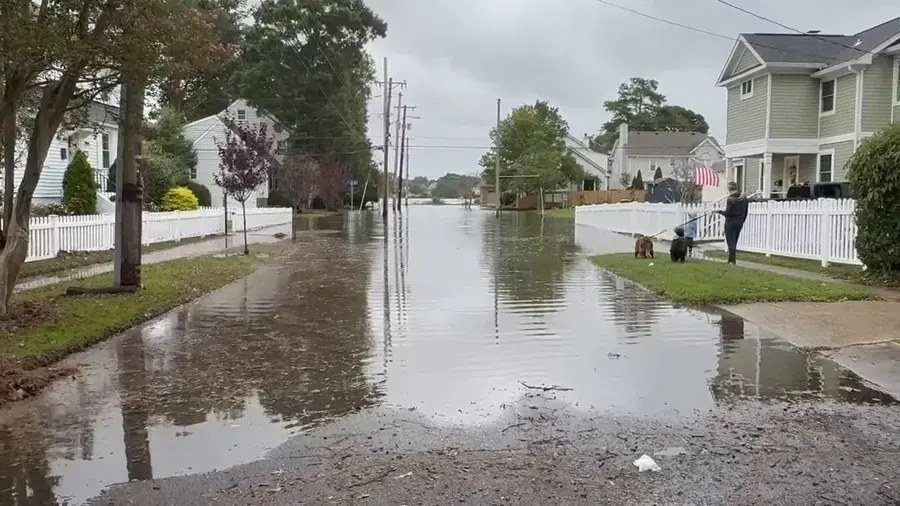
First steps for storm and flash flood cleanup in Wellesley
- Stay out of the water. Floodwater can hide electrical hazards and contamination, so keep power off and people away.
- Remove water and mud. Pumps and extractors clear standing water, then mud and silt are shoveled and vacuumed out.
- Sanitize and treat. Hard surfaces are washed and treated, while soaked carpet, pad and low drywall are bagged out.
- Dry and document. Dehumidifiers and air movers run with daily readings, and photos and logs go to the claim.
How storm and flash flood cleanup is handled in Wellesley
Floodwater from a storm is not clean. It carries soil, fuel, sewage and debris from yards and streets, so the work is built around sanitizing as much as drying. Wellesley sits inside the Charles River watershed, and every one of its drainage basins is part of it. Different storms have flooded or closed Route 9, Washington Street, Great Plain Avenue and Interstate 95.
What does storm and flash flood cleanup cost in Wellesley, MA?
Shallow water in one area runs $3,000 to $6,000, a finished basement or several rooms run $6,000 to $15,000, and deep water or several levels run $15,000 to $45,000.
Shallow flooding, one area
- Mud and water removed
- Hard floors sanitized
- Category 3 handling
A finished level or several rooms
- Carpet, pad and flood cuts
- Antimicrobial treatment
- Drying with daily readings
Deep water or several levels
- Large area removal
- Contents hauled and discarded
- Extended drying period
Ranges are typical, not a quote: the category of water, the square footage, the material class and how fast drying started move the number most. The water damage cost calculator gives a closer range.
The storm and flash flood cleanup process, step by step
The tech who does the walkthrough maps moisture before any equipment goes down, so the drying plan matches what is actually wet. Equipment stays until the readings say dry.
Make it safe
Keep power off, pump out water and shovel the mud.
Sanitize
Wash and treat hard surfaces and bag soaked porous materials.
Dry the structure
Place dehumidifiers and air movers and record readings every visit.
Confirm dry
Verify dry readings, then hand over photos and the moisture log.
How Wellesley water moves in a storm
Fuller Brook rises in marshes where Wellesley meets Needham, and its watershed carries stormwater from more than half of the town to the Charles River by way of Waban Brook.
The town created Fuller Brook Park, also called the Brook Path, in 1899 partly to drain flood-prone areas, and parts of the brook were straightened and channeled in the 1950s to hold flooding back.
- Mud and silt are shoveled and vacuumed out first
- Hard surfaces are washed and treated with antimicrobial
- Soaked carpet, pad and low drywall are removed
- Readings decide when framing and masonry are dry
Flood maps and the town's planning
New FEMA flood maps for Wellesley took effect on July 8, 2025, after the Annual Town Meeting revised the Floodplain or Watershed Protection District so the town could stay in the National Flood Insurance Program. The town's first Hazard Mitigation Plan, approved by FEMA and announced on March 1, 2024, covers nor'easters, floods, hurricanes and climate change.
Documenting a storm loss
Storm claims depend on timing and proof. The file should capture the date and rainfall, the high-water marks on walls, photos before cleanup, and every material removed, with readings that show the structure reached its dry goal.
Water that came up through a lower level is covered under basement flooding cleanup, and the first pass of pumping and removal follows water extraction.
Storm and Flash Flood Cleanup across Wellesley and nearby towns
Storm flood cleanup covers all of Wellesley, including Lower Falls, Wellesley Square, Wellesley Hills, Wellesley Farms and Babson Park, with equipment and treatment matched to the depth and the water category of each loss.
The same service nearby: storm and flash flood cleanup in Brookline, Needham, Dedham.
Storm and Flash Flood Cleanup questions in Wellesley, MA
Storm and Flash Flood Cleanup in Wellesley, 24/7
Floodwater in the house after a storm? Describe the depth and the rooms and the crew will explain the safe first steps.
(888) 629-3140 Ask about Wellesley flood cleanupIs storm floodwater always contaminated?
Treat it as contaminated. Floodwater crosses yards, roads and drains before it reaches a building, so it is handled as Category 3 even when it looks like plain rain water.
Did the 2025 FEMA map change affect cleanup?
No. The maps took effect on July 8, 2025 as part of the town's flood program, but the cleanup method depends on the water category and how long materials stayed wet.
Why do the same roads flood in different storms?
Heavy rain meets a town where more than a quarter of the town is impervious surface, and the DPW counted about 4,500 catch basins in 2021 reporting, so a short burst can outrun the drains.
What happens to contents and furniture after a flood?
Porous items that sat in floodwater, such as upholstered furniture and mattresses, usually cannot be made safe and are discarded, while hard items are cleaned, treated and photographed for the inventory.
Can flooded drywall and insulation stay?
Drywall and insulation that wicked floodwater are usually removed above the wet mark, because they hold contamination and stay damp, while sound framing is cleaned, treated and dried in place.
Floodwater needs removal, not just drying
Get the water and mud out, the surfaces sanitized and the structure drying under readings, with every step photographed.
Call (888) 629-3140Start Wellesley storm flood cleanup