Water Damage Restoration Wellesley, MA
Wellesley water losses range from flash flooding after short heavy storms to hidden pipe leaks and roof leaks, and the restoration team maps the moisture in every material before equipment goes down.
Call (888) 629-3140Talk to a Wellesley restoration tech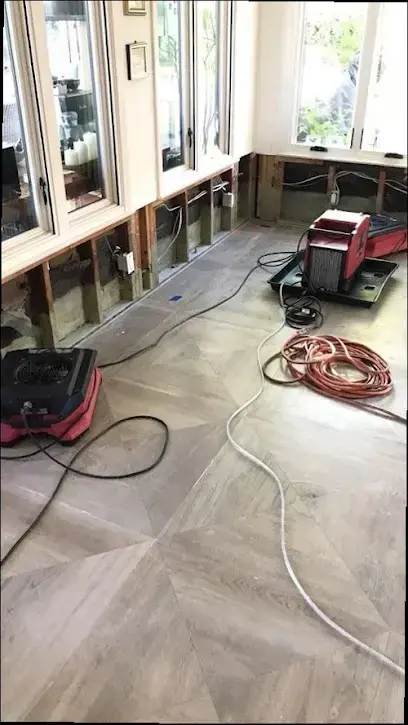
Twelve ways water gets into a Wellesley home
Twelve kinds of water loss get their own treatment in Wellesley, from roof leaks and pipe bursts to sewage backups and storm flooding, each dried by the method its water category calls for.
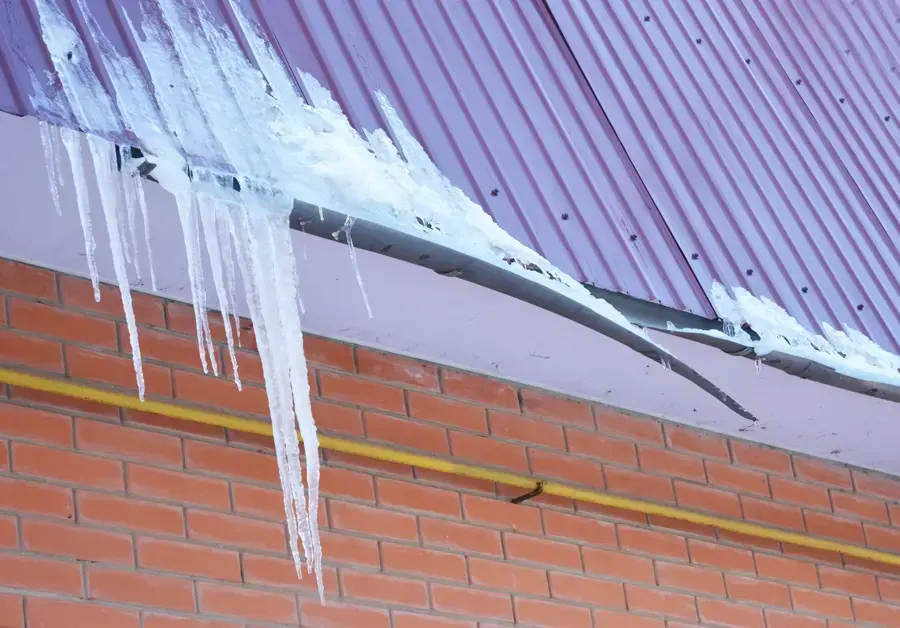 Ice Dam and Roof Leak Water DamageSnow load and thaw cycles push meltwater under shingles into attic insulation, so the ceiling is mapped and dried before stains reach lower floors.See the service steps
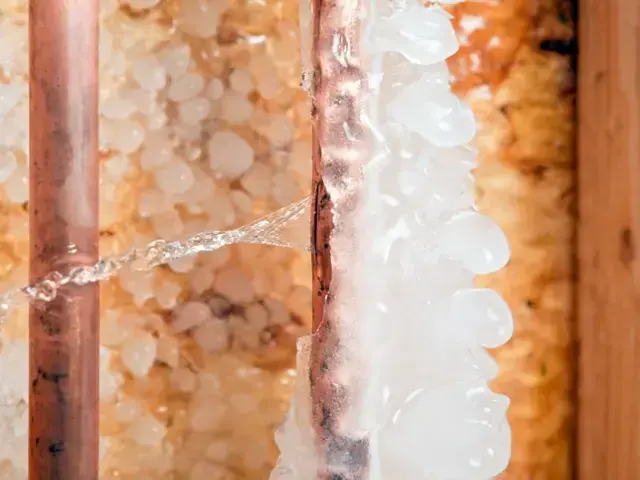 Frozen Pipe Burst CleanupWhen a frozen pipe splits inside a wall, the water is extracted and the cavity is dried through small openings, not broad demolition.See the service steps
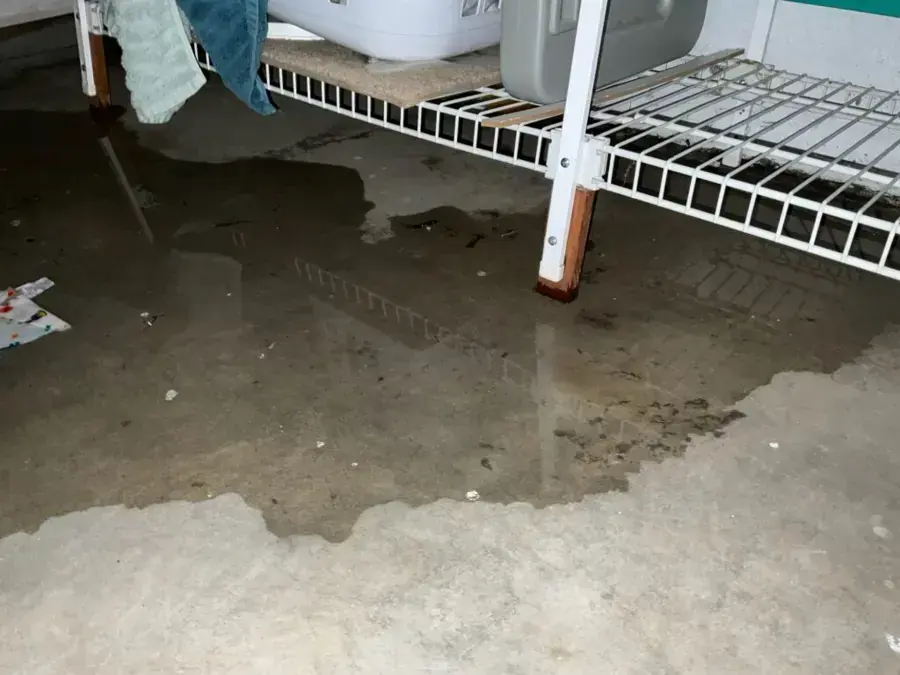
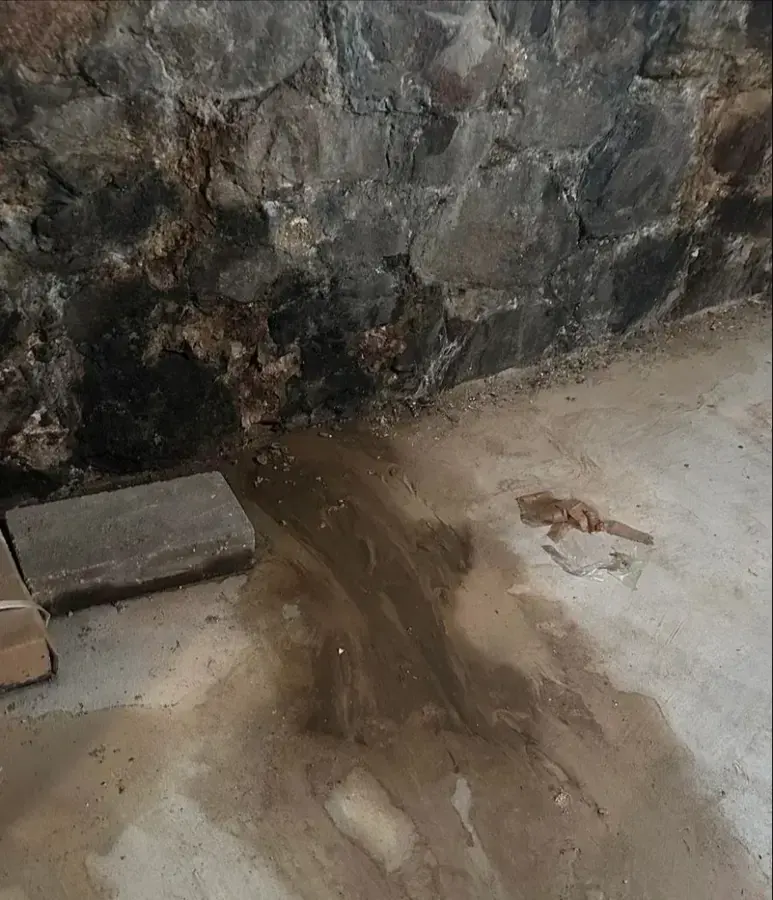 Basement Flooding CleanupGroundwater and storm runoff are pumped out, then stone, framing and flooring are dried in stages, with readings proving each material is dry.See the service steps
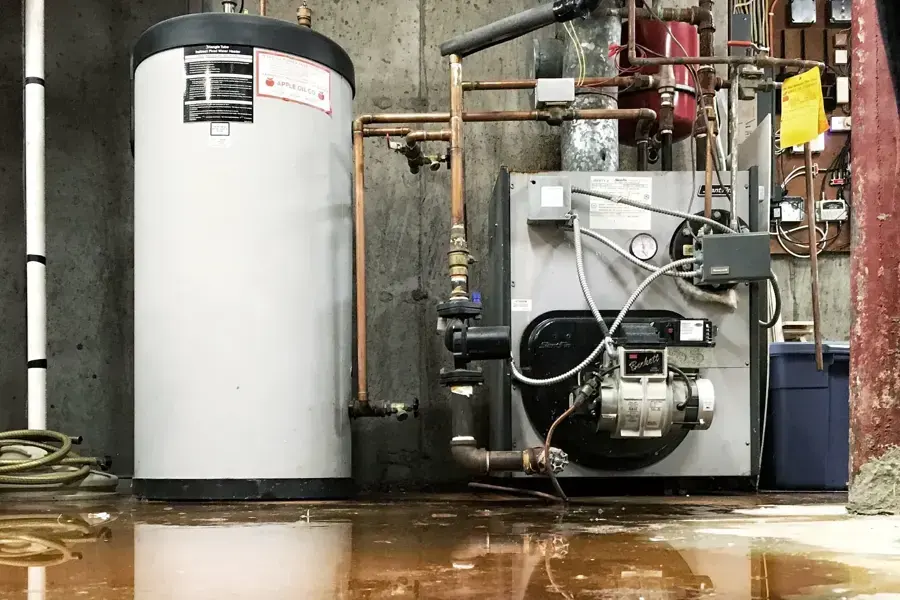
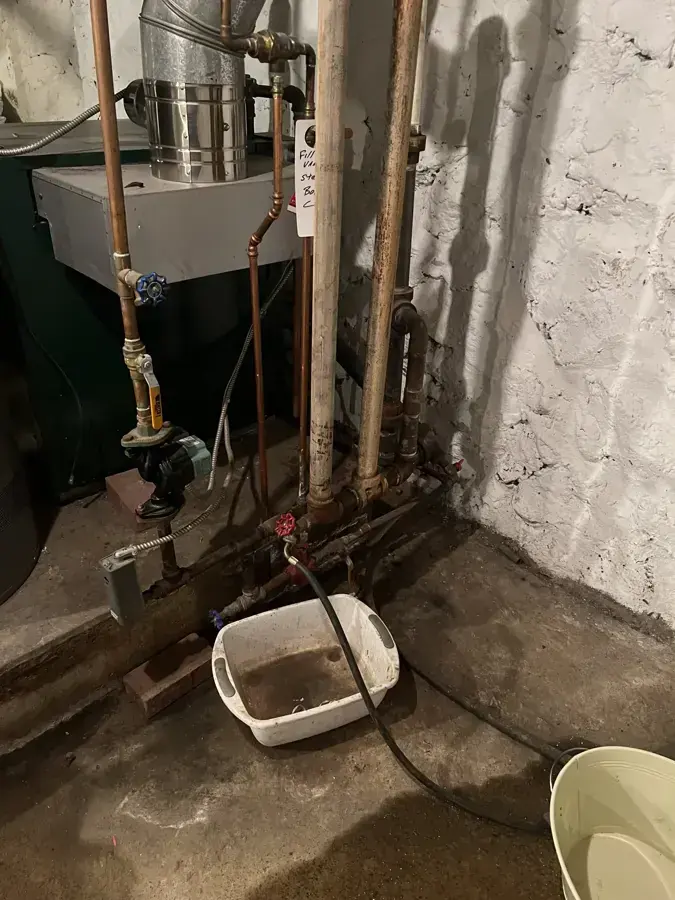
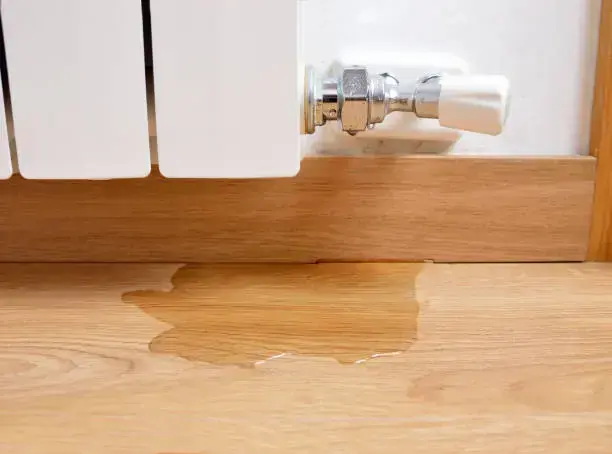 Radiator and Boiler Leak Water DamageA weeping valve or failed boiler fitting can soak a floor for days, so hardwood gets drying panels and the ceiling below is checked.See the service steps
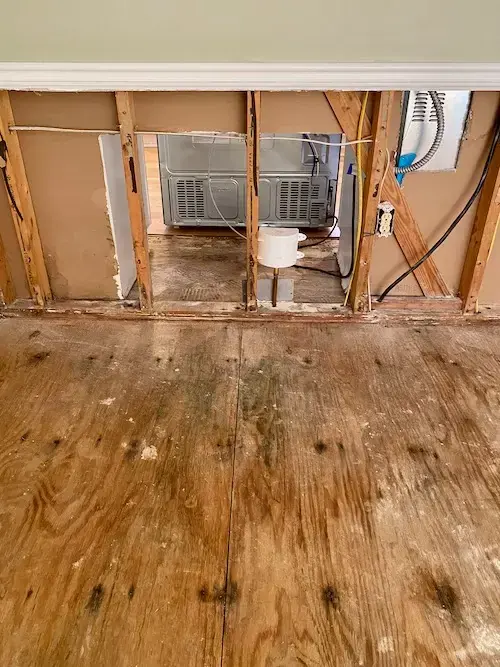
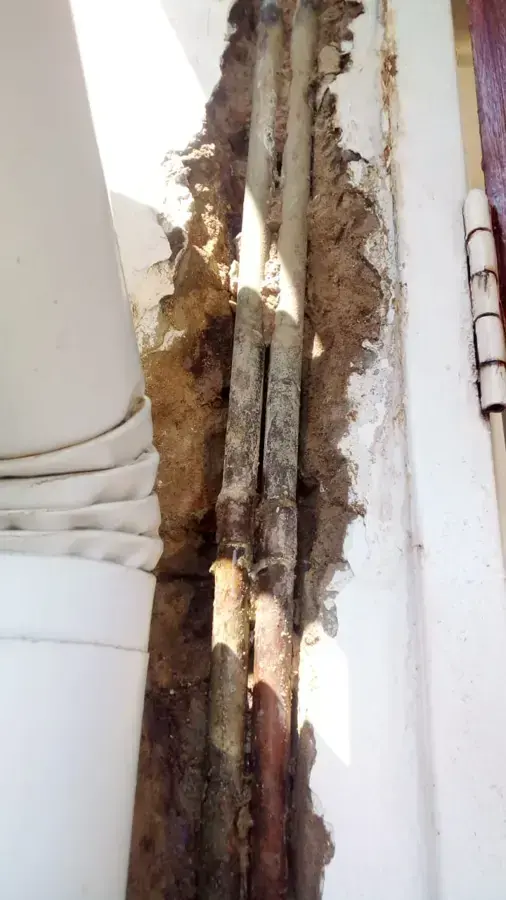 Burst and Leaking Pipe CleanupA split supply pipe floods a wall cavity fast, so the water is stopped, extracted and chased through the wall until readings come down.See the service steps
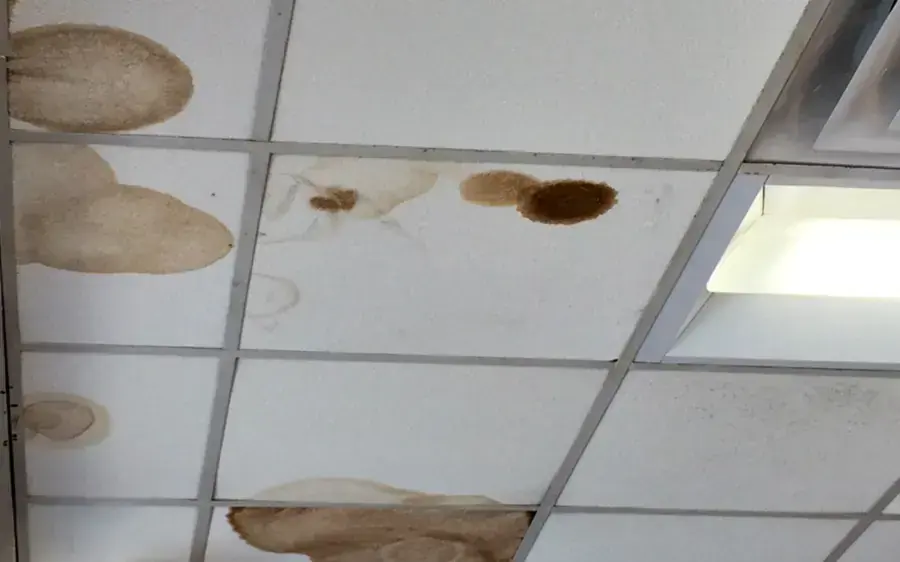
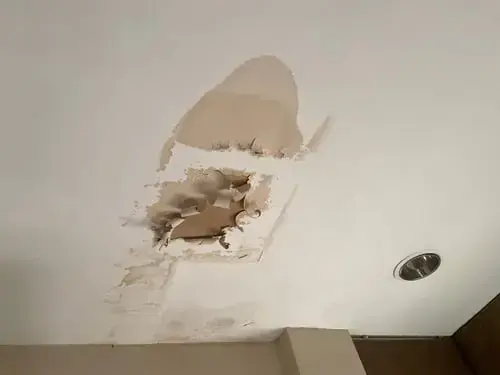
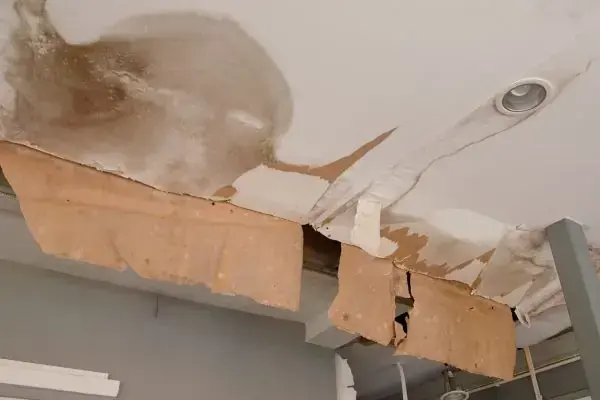 Ceiling Leak Water DamageA brown stain overhead usually means water is sitting above it, so the source is traced first and the ceiling gets dried.See the service steps
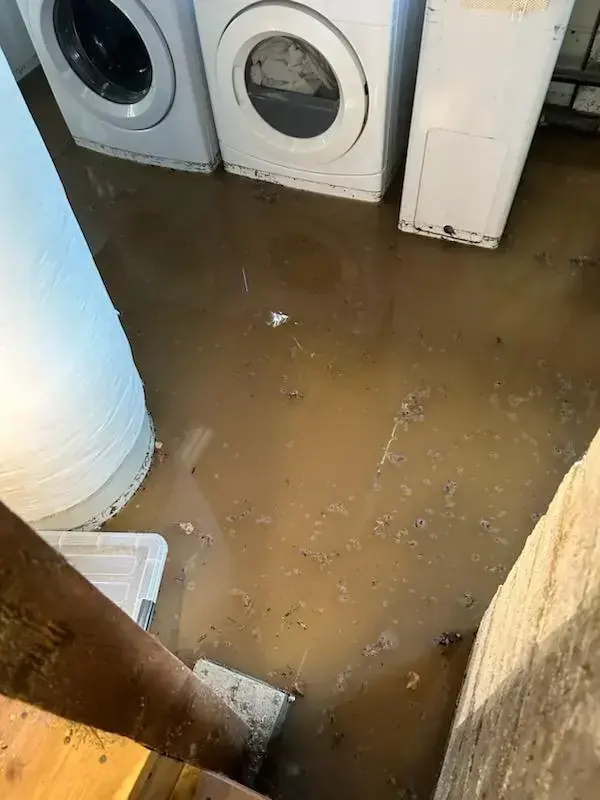 Sewage Backup CleanupBacked-up sewage is Category 3 contamination, so work starts with containment and removal of porous materials, then antimicrobial treatment and air scrubbing.See the service steps
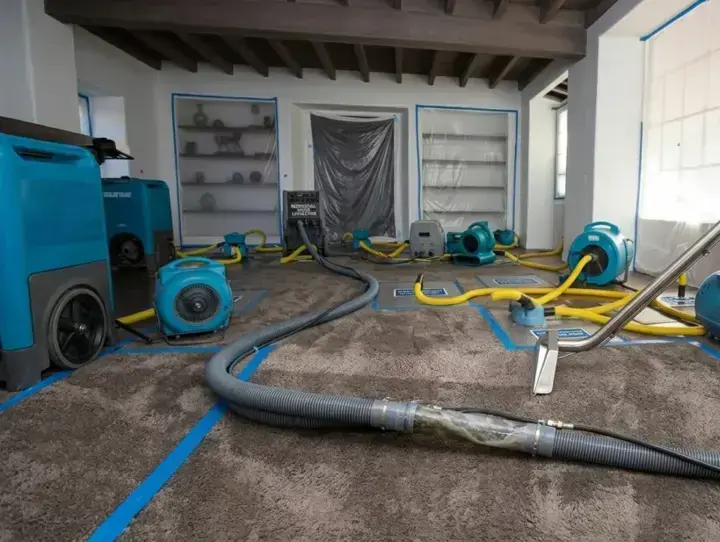 Water Extraction and RemovalTruck-mounted and portable extractors pull standing water from carpet, pad and hardwood, which keeps moisture from wicking into walls and subfloors.See the service steps
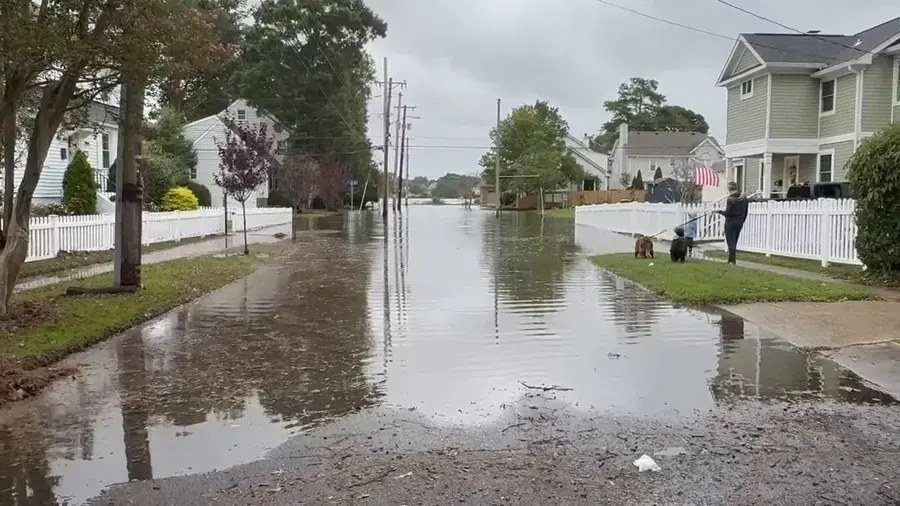 Storm and Flash Flood CleanupAfter a cloudburst floods yards, driveways and lower floors, mud and runoff are removed, hard surfaces are sanitized and the structure is dried.See the service steps
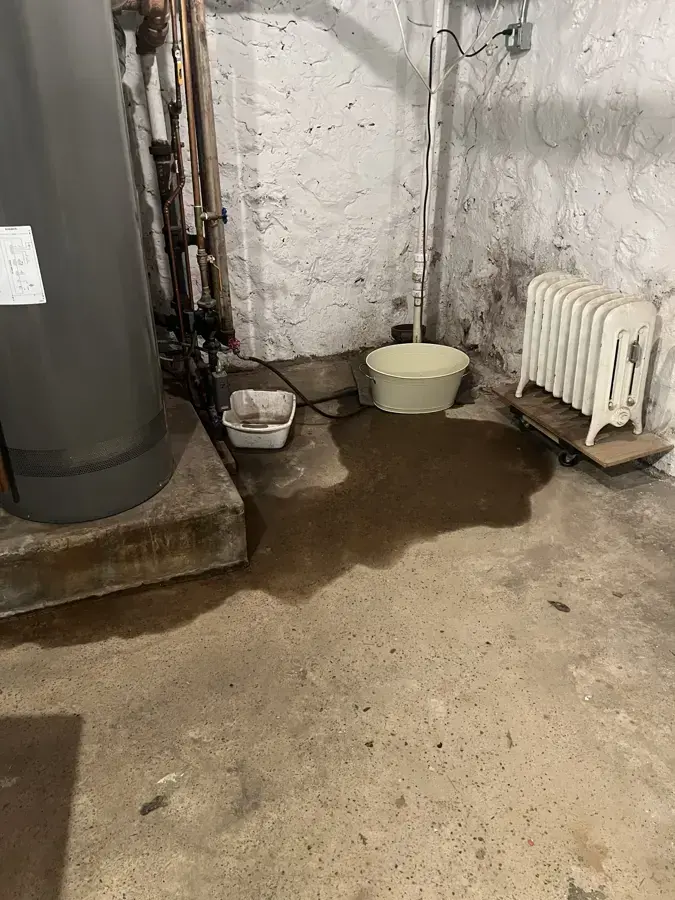
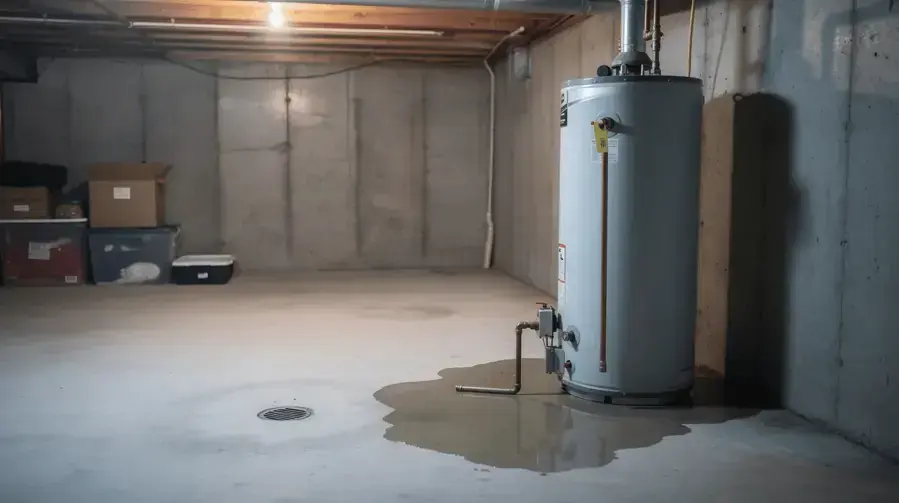 Water Heater Leak CleanupA failing tank or dripping fitting spreads water across the floor around it, so extraction and a wall base check come before damage climbs.See the service steps
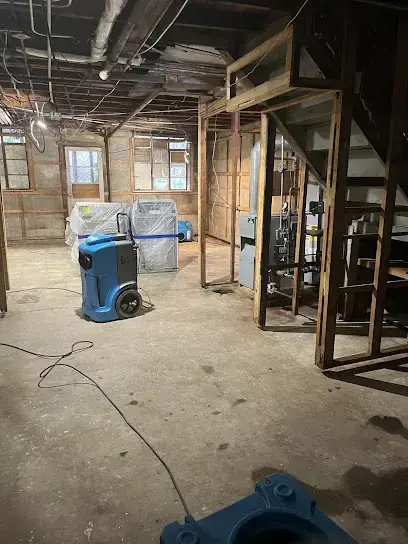
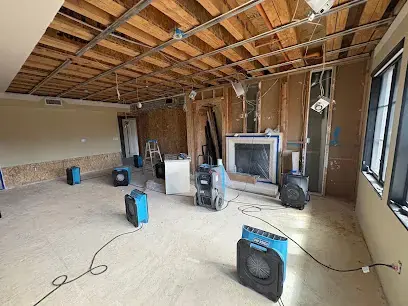 Structural Drying and DehumidificationAir movers, LGR dehumidifiers and drying panels pull moisture from framing, plaster and subfloors, and daily readings show when each material is done.See the service steps
 Commercial and Multifamily Water DamageShops, offices and multifamily buildings get phased drying plans that keep other spaces usable, with a separate log for each unit.See the service steps
Five moves that keep a small leak from growing
- Stop the source. Shut the main water valve, then cut power to any wet room before stepping into standing water.
- Protect what is dry. Block furniture legs, carry rugs and electronics out of the wet zone and open cabinet doors so air can circulate.
- Stay clear of sagging ceilings. Saturated plaster and drywall can drop without warning, so keep people and pets out from under any bulging ceiling.
- Treat sewage as unsafe. Gray or black water carries bacteria, so keep kids and pets away and do not mop it around.
- Take photos first. Photograph the stained wall, damaged belongings and the source before anything is moved, since dated pictures back up the claim.
Measured drying from first reading to final sign-off
The IICRC S500 standard frames the work in a Wellesley house: classify the water, set a drying goal from unaffected, dry material, place equipment to match the class, then log readings at every visit until each wet surface reaches that goal.
Assess and classify
The tech maps moisture with meters and a thermal camera, then names the water category and drying class before equipment is chosen.
Extract and remove
Standing water comes out first, then soaked pad, insulation and any porous material that cannot be saved is bagged and carried out.
Dry with controlled airflow
Air movers and LGR dehumidifiers run together, with panels or small cavity openings added where plaster, hardwood or framing holds water.
Verify and document
Final readings are compared with the dry goal, equipment leaves only when every point passes, and the log and photos go into the claim file.
Serving every part of Wellesley, MA
Service covers all of Wellesley, from the shops around Wellesley Square and Linden Square to the villages along Washington Street and the campus areas around Wellesley College and Babson College.
Areas and corridors served
Neighboring towns also covered
Reaching every Wellesley street, from Lower Falls to the Fells. Homes along the borders with Newton, Weston, Needham, Dover and Natick are covered the same way, with the same readings and the same documentation.
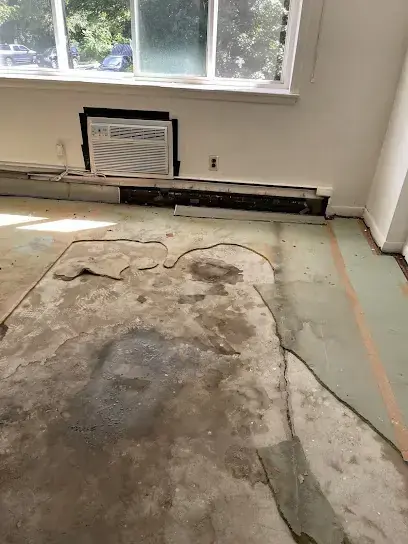
Call (888) 629-3140Report a Wellesley water lossWhat water damage drying looks like up close
Four habits behind every dry-out
Rapid local response
Each job is planned around the street, the water source and the spread of moisture, so the first visit brings the right equipment.
Measured scope of work
Moisture meters and thermal imaging decide what stays and what comes out, which keeps demolition small and the paperwork consistent.
Claim-ready documentation
Dated photos, daily moisture logs and equipment records are organized the way adjusters ask for them, from the first reading to the last.
Older-home water know-how
Many Wellesley houses date from before 1940, so plaster, old framing and layered finishes get dried slowly and checked at every visit.
Equipment that goes into a Wellesley dry-out
Every Wellesley job starts with one question, where did the water go, answered by meter readings, a thermal scan and a walkthrough of the rooms around the loss.
What water damage cleanup costs in Wellesley homes
Wellesley jobs usually land in one of three bands: $1,500 to $4,000 for a contained clean-water leak, $4,000 to $12,000 for several rooms, and $12,000 and up for contaminated losses.
Contained leak, caught early
- One room or one wall cavity
- Clean supply or roof water
- Extraction and dehumidifier drying
Several rooms or floors
- Wet ceilings, walls and flooring
- Plaster or drywall opened where wet
- Several days of drying equipment
Contaminated or large loss
- Sewage or deep storm water
- Containment and removal of porous materials
- Extended drying and a full photo record
What moves the number in Wellesley
Final pricing depends on the affected square footage, the water category, how long materials stayed wet and whether plaster, hardwood or masonry needs extended drying. Moisture readings taken during the walkthrough set the scope, which keeps demolition limited to what the readings justify and keeps the claim file consistent.
Three kinds of water, three different cleanup plans
Category 1: clean water
Supply pipes, roof leaks and failed fittings release sanitary water, which slips toward Category 2 if it sits in porous materials for a day or two.
Burst pipe cleanup ›Category 2: gray water
Washing machine and dishwasher discharge carries contaminants, so soaked pad is removed and hard surfaces are cleaned before the structure is dried.
Water extraction ›Category 3: black water
Sewage backups and flooding from rivers, brooks or storm drains carry pathogens, so removal happens under containment, followed by antimicrobial treatment and air scrubbing.
Sewage backup cleanup ›Records that support the claim
Adjusters decide on evidence, and a water loss file with clear photos and drying data tends to move through a claim with fewer follow-up questions from the carrier.
What the claim file holds
- Dated photos of the source, the damage and every affected room
- Daily moisture readings for each material that got wet
- A list of damaged contents with notes on what was moved or discarded
- Equipment placement and run records, so the drying days are explained
- A cause statement written plainly, such as a split supply pipe
Filing the claim as a homeowner
Report the loss to the carrier promptly, describe it in plain terms, and keep receipts for emergency work. Coverage depends on the policy wording and the cause, so the photos and readings should show where the water came from.
Rising floodwater is usually treated differently from a pipe or roof leak, often under a separate flood policy such as the National Flood Insurance Program, so storm and flash flood cleanup starts with recorded proof of the cause.
What drives water damage in Wellesley
Wellesley sits in the Charles River watershed with a humid continental climate, so storms, snow and humidity all play a part, and the town has said its stormwater system cannot absorb a sudden downpour.
August 8, 2023. Rain totaling 3.67 inches fell in under two hours, flooding numerous roads and homes, disabling many cars and stranding two drivers in rising water, according to the town.
Older houses
Many homes were built before 1940, and about 11 percent of housing units date from 2000 or later, mostly replacing torn-down houses.
Short, heavy rain
On September 1, 2013 three to four inches fell in one to two hours, and flooded basements were logged across the region.
The Charles River
FEMA's Norfolk County study links the Charles River to flooding in Wellesley and seven other towns, and every Wellesley drainage basin lies in its watershed.
Fuller Brook runoff
Fuller Brook's watershed gathers runoff from more than half of Wellesley and reaches the Charles River through Waban Brook.
Snow on roofs
In February 2021 the weight of snow sent a large tree through a Wellesley roof into the second floor.
Wellesley water damage questions answered
Water in a Wellesley home right now?
Describe what happened and where the water is, and the restoration team will explain the first steps, the likely scope and how the drying will be documented.
(888) 629-3140 Ask a Wellesley drying questionHow quickly does water damage spread through a house?
Wet drywall, plaster and subfloors start absorbing moisture right away, and mold can begin to grow in 24 to 48 hours, so extraction and drying should start as soon as the loss is found.
Why do Wellesley storms flood roads so fast?
On August 8, 2023 the town said its stormwater infrastructure could not handle that much rain in so short a time, and soil already soaked by a wet July leaves little room for runoff.
Who maintains the water and sewer connection to a Wellesley house?
The Department of Public Works says homeowners maintain and repair the connection from the foundation to the main sewer connection or the water curb stop, with sewer repairs inspected by the DPW Engineering Division at the owner's expense.
Does Wellesley require a backwater valve?
Under the town's sewer connection specifications, yes, when there is less than three vertical feet between the crown of the public sewer and the invert of the building's sewer cleanout, and the Plumbing Inspector inspects it.
Can flushable wipes cause a sewage backup?
Yes. Wellesley's DPW says flushed wipes, paper towels and similar products clog sewers and cause backups and overflows, and wipes labeled flushable do the same, so any backup is treated as contaminated water.
Is plaster in an older house dried or torn out?
Plaster is dried in place when the readings allow it, using small access openings and drying panels, and removed only where it sags, crumbles or stays wet, which matters in a town with many homes built before 1940.
Is it safe to stay in the house during drying?
Usually yes for clean-water losses, though the equipment is loud and warm. Sewage and contaminated floodwater are different, because containment goes up and people and pets should stay out of the affected rooms.
What do Wellesley jobs usually cost?
Contained clean-water leaks run $1,500 to $4,000, several rooms or floors run $4,000 to $12,000, and sewage or multi-floor losses start at $12,000, with readings setting the final figure.
Which Wellesley villages and roads does service cover?
Babson Park, Lower Falls, Wellesley Fells, Wellesley Farms, Wellesley Hills and Wellesley Square are all covered, plus the stretches along Washington Street, Worcester Street and Great Plain Avenue.
Do campus and commercial buildings get the same drying?
Offices, shops and multifamily buildings get a phased plan by floor or unit, with a separate log for each space, so businesses around Wellesley Square or along the Worcester Street corridor can plan around the work.
A wet Wellesley home dries best when work starts early
Describe the loss to a restoration tech, then follow a clear drying plan with the claim file built from the first photo.
Call (888) 629-3140Start a Wellesley drying plan