Storm and Flash Flood Cleanup in Quincy, MA
Coastal surge and heavy rain bring mud, debris and contaminated water into buildings. The response team extracts it, removes soaked materials, treats surfaces and dries the structure.
Call (888) 629-3140Quincy flood damage help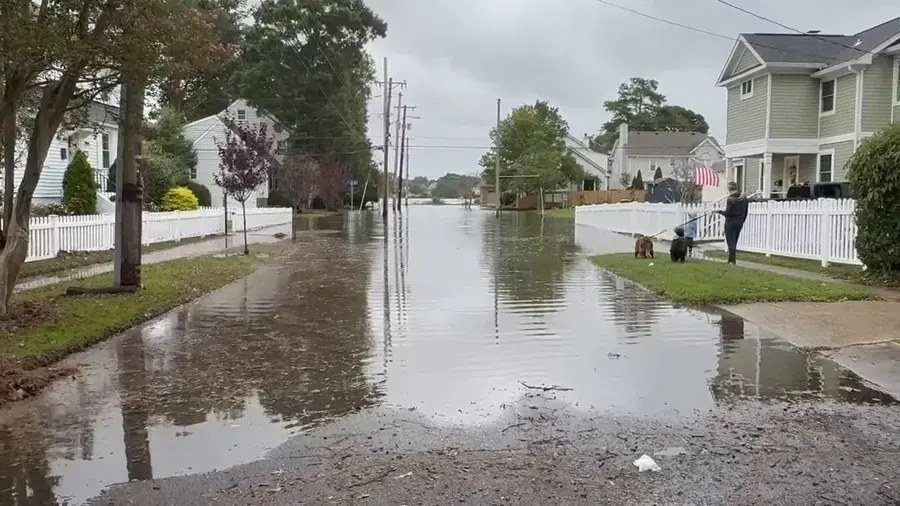
First steps for storm and flash flood cleanup in Quincy
- Wait for safe conditions. Stay out of moving or deep water, avoid downed wires, and re-enter once power is off.
- Treat it as contaminated. Flood water carries sewage and runoff, so avoid skin contact and keep children and pets out.
- Photograph the damage. Capture high water marks, soaked belongings and the condition of floors and walls.
- Call before cleaning up. Contaminated materials need containment and proper removal, so cleaning with household tools usually spreads the problem.
How storm and flash flood cleanup is handled in Quincy
Flood water in Quincy comes from two directions: the coast and the sky. On March 2, 2018, Winter Storm Riley pushed tidal flooding into the Houghs Neck area, and in September 2026 another nor'easter washed a sailboat ashore on Wollaston Beach while debris lined the shore. Heavy rain flooded Interstate 93 in Quincy on July 10, 2025.
What does storm and flash flood cleanup cost in Quincy, MA?
Storm flood cleanup in Quincy usually runs $3,000 to $6,000 for shallow water, $6,000 to $15,000 for a finished basement or several rooms, and $15,000 to $45,000 for deep water or several levels.
One area, shallow water
- Extraction and mud cleanup
- Hard floors scrubbed and treated
- Contaminated water handling
Finished basement or several rooms
- Carpet, pad and flood cuts
- Antimicrobial treatment
- Structural drying and readings
Deep water or several levels
- Large area removal
- Contents removal and disposal
- Extended drying
Ranges are typical, not a quote: the category of water, the square footage, the material class and how fast drying started move the number most. The water damage cost calculator gives a closer range.
The storm and flash flood cleanup process, step by step
The tech who does the walkthrough maps moisture before any equipment goes down, so the drying plan matches what is actually wet. Equipment stays until the readings say dry.
Extract and remove
Water, mud and debris come out, and soaked porous items are bagged.
Clean and treat
Hard surfaces are washed and treated with an antimicrobial.
Dry the structure
Air movers and dehumidifiers run against daily readings.
Document the loss
Photos, readings and a contents list go into the report.
Why flood water is treated as Category 3
Tidal and storm water mixes with runoff, sewage and street debris, so it is classed as Category 3 whatever it looks like. Porous materials that it touched, such as carpet, pad, insulation and low drywall, are removed rather than dried, and hard surfaces are cleaned and treated before any equipment goes in.
- Mud and silt on floors and in wall bases
- Stain marks on walls that show how high it rose
- A sour or sewage smell in the affected rooms
- Furniture and stored items soaked at the base
Maps, zones and what they mean for a claim
In June 2014 FEMA issued a new Flood Insurance Rate Map that added 1,400 Quincy properties to the flood plain and raised rates for about 2,700 already in it. The City filed for a map revision, and in December 2014 FEMA began correcting all 6 coastal map panels. The City's MapGeo viewer shows the 2017 corrected maps.
A flood cleanup records the water level, the materials removed and the readings taken during drying, which gives the insurer the proof it asks for. Flooded basements follow the same sequence, with extra pumping time handled through basement flooding cleanup.
Working in the first days after a storm
After a major storm, crews prioritize homes and buildings where water is still standing or where occupants cannot stay. Power outages, closed roads and damaged utilities can slow everything down, so photos taken early and a simple damage list make the later claim easier. Contaminated water that backs up from drains follows sewage backup cleanup.
Storm and Flash Flood Cleanup across Quincy and nearby towns
Storm and flood cleanup covers all of Quincy, including the coastal areas of Houghs Neck, Adams Shore, Germantown, Wollaston and Squantum, as well as Marina Bay, Quincy Point and the inland neighborhoods.
The same service nearby: storm and flash flood cleanup in Brookline, Milton, Dedham.
Storm and Flash Flood Cleanup questions in Quincy, MA
Storm and Flash Flood Cleanup in Quincy, 24/7
Flood water in a Quincy home or building? The response team extracts it, removes soaked materials and treats every surface it reached.
(888) 629-3140 Quincy flood cleanup helpIs flood water from the coast different from rain water?
Both are treated as contaminated, but coastal surge adds salt, silt and debris, so more mud removal and cleaning is usually needed before drying can start.
Does flood damage count as water damage for insurance?
Often not under a standard homeowners policy. Flood coverage is usually separate, and FEMA's maps shape flood insurance, so the policy and the flood zone both matter for the claim.
How soon should mud and silt be removed?
As early as conditions allow. Mud dries into a crust that holds contamination against floors and walls, and it clogs drains, so removal comes before cleaning and drying.
What should be photographed after a storm flood?
Wide shots of each room, close-ups of the high-water marks, damaged belongings and any appliances that were reached by water. Dated photos taken before cleanup carry the most weight.
Can a flooded building be dried without removing materials?
Only when the water was clean. Category 3 flood water means porous materials such as carpet, pad and low drywall are removed first, because they cannot be made safe by drying alone.
Flood water stays contaminated until it is cleaned
Mud, silt and soaked materials hold contamination against the structure, so removal and cleaning should begin as soon as conditions are safe.
Call (888) 629-3140Quincy storm flooding help