Basement Flooding Cleanup in Quincy, MA
Rain, storm tide and drain backups can all put water into a basement. The extraction crew pumps out the depth, removes what is ruined and dries floors, framing and walls until readings confirm they are dry.
Call (888) 629-3140Call about a flooded Quincy basement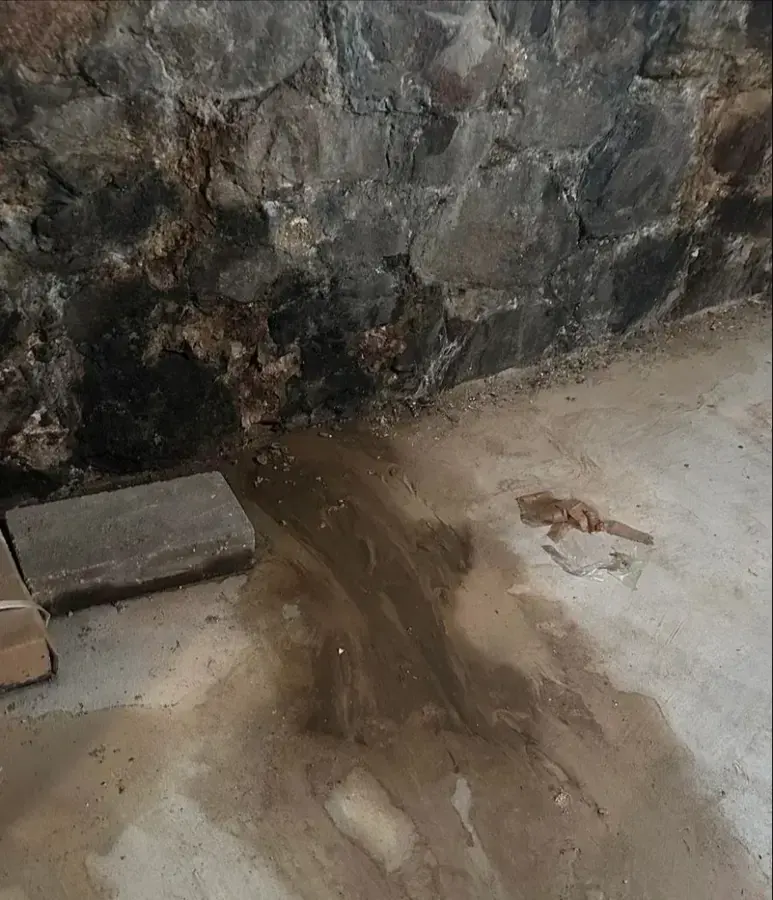
First steps for basement flooding cleanup in Quincy
- Stay out of deep water. Standing water can hide live electrical hazards, so nobody should enter until power is off.
- Shut off power. Turn off the basement breakers from a dry spot, and leave anything standing in water alone.
- Move valuables up. Carry documents, electronics and keepsakes to dry floors above, and leave heavy appliances for the crew.
- Photograph the high mark. Photograph the water level on walls and any belongings before pumping starts, then call for extraction.
How basement flooding cleanup is handled in Quincy
Basement water arrives three ways: groundwater pushing through walls and floors, storm water entering at doors and window wells, and sewage backing up through a floor drain. Which one it is decides the plan, because clean water is dried while contaminated water is removed under containment first. Quincy adds a coastal layer, since a 2020 engineering model looked at flooding in Adams Shore, Houghs Neck and Germantown.
What does basement flooding cleanup cost in Quincy, MA?
Basement flooding cleanup in Quincy usually runs $2,500 to $5,000 for an unfinished space with clean water, $5,000 to $12,000 when finishes are wet, and $12,000 to $30,000 for sewage or deep water.
Bare space, clean water
- Pumping and extraction
- Walls and floor dried in place
- Groundwater or supply water
Finished basement
- Carpet, pad and flood cuts
- Framing and insulation dried
- Several days of equipment
Sewage or deep water
- Category 3 removal under containment
- Antimicrobial treatment
- Contents removal and long drying
Ranges are typical, not a quote: the category of water, the square footage, the material class and how fast drying started move the number most. The water damage cost calculator gives a closer range.
The basement flooding cleanup process, step by step
The tech who does the walkthrough maps moisture before any equipment goes down, so the drying plan matches what is actually wet. Equipment stays until the readings say dry.
Pump and extract
Water is lowered in stages, then extractors clear the floor and carpet.
Remove and clean
Ruined pad, flood cut drywall and contaminated materials leave, and surfaces are cleaned.
Dry the structure
Dehumidifiers and air movers run until floor, wall and framing readings fall.
Verify and report
Final moisture readings and photos are bundled into a record for the insurer.
Sump pumps and the sewer rules
Quincy's Sewer Use Ordinance does not allow sump pumps as a private source of inflow to the sewer, and the City inspects sump pumps during the property transfer process. Where a pump fails during a storm, the water it was holding back ends up on the floor.
- Water at the base of walls after steady rain
- A floor drain gurgling or releasing dark water
- Dampness or a powdery film on foundation walls
- A sump pump running nonstop or silent in a storm
Pump out, remove, then dry
Extractors clear what the pumps leave behind, carpet and pad come out, and baseboards are removed so air can reach the base of each wall. Dehumidifiers matter most here, because basement air holds moisture and drying stalls without them. Daily readings on the floor, the wall base and the framing decide when equipment can be shut down.
When the water is sewage or storm surge
Coastal storm water and backed-up drains are Category 3, the same class handled in storm flood cleanup and sewage backup cleanup. Porous materials such as carpet, pad and wet drywall are removed, surfaces are cleaned and treated with an antimicrobial, and HEPA air scrubbers run during the work. Stored belongings are sorted so salvageable items are cleaned and the rest are documented for the insurer.
Extended dry time is common in finished basements, where framing, insulation and flooring layers each hold water in a different way. Standing water that sits for days invites mold and weakens finishes, so pumping and drying start together.
Basement Flooding Cleanup across Quincy and nearby towns
Basement flooding cleanup covers every Quincy neighborhood, with extra attention to the coastal areas of Adams Shore, Houghs Neck and Germantown, plus Squantum and Wollaston and the Merrymount and West Quincy neighborhoods.
The same service nearby: basement flooding cleanup in Brookline, Milton, Dedham.
Basement Flooding Cleanup questions in Quincy, MA
Basement Flooding Cleanup in Quincy, 24/7
Basement taking on water in Quincy? The extraction crew pumps it out in stages and starts drying the walls and floor.
(888) 629-3140 Ask about basement pumpingIs a flooded basement always contaminated?
No. Groundwater and supply leaks start as cleaner water, while storm tide and sewer backups are Category 3 and need removal under containment. The source decides the cleanup plan.
Do sewer overflows cause basement backups in Quincy?
A City self-assessment dated 2021 counted 5 reported overflows that involved basement backups between 2016 and August 2021, so a floor drain that backs up deserves photos and a note.
How fast should a flooded basement be pumped?
Deep water is lowered in stages rather than all at once, because emptying a basement too fast can stress walls still pushed on by groundwater outside.
Will carpet and drywall have to be removed?
Carpet and pad usually go after contaminated or long standing water. Drywall is cut at a measured height above the wet mark, and finished walls with clean water can sometimes be dried instead.
Does insurance cover a flooded basement?
It depends on the source. Sudden pipe or appliance failures are often covered, while groundwater and coastal flooding typically fall under separate flood coverage, so the policy wording settles it.
What happens to belongings stored in a flooded basement?
Items are sorted into those that can be cleaned and those that cannot. Cardboard and soaked fabric are usually discarded, hard goods are wiped and dried, and a list is kept for the insurer.
Standing water gets worse with every day
Finishes, framing and stored belongings keep soaking up moisture while water sits, so early pumping limits what has to be torn out.
Call (888) 629-3140Call about basement water