Sewage Backup Cleanup in Wellesley, MA
Sewage is a Category 3 contaminant, so the extraction crew seals off the area, removes what cannot be cleaned, sanitizes what can and only then sets up the drying equipment.
Call (888) 629-3140Report a Wellesley sewage backup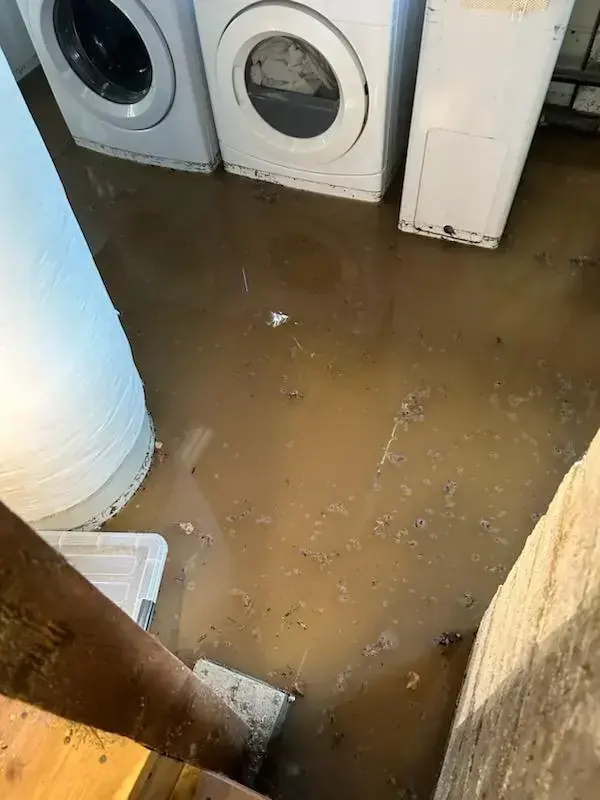
First steps for sewage backup cleanup in Wellesley
- Keep clear, then photograph. Keep kids and pets out, skip the mop, and photograph the water and rooms before anything is moved.
- Contain the area. Plastic barriers and negative air hold contaminated air in the work zone while the crew suits up.
- Remove and sanitize. Contaminated carpet, pad and drywall are bagged out, then surfaces are cleaned and treated with antimicrobial.
- Dry and clear the air. HEPA scrubbers run while dehumidifiers dry the structure, and final readings confirm it before reopening.
How sewage backup cleanup is handled in Wellesley
A sewage backup is more than a mess, because the water carries bacteria and viruses that soak into carpet, pad, drywall and anything porous. Wellesley's sewage flows through MWRA collection sewers to the Deer Island Wastewater Treatment Facility, and a backup means that flow was blocked or overwhelmed before it got there.
What does sewage backup cleanup cost in Wellesley, MA?
A small backup on hard floors usually runs $3,000 to $6,000, a finished basement runs $6,000 to $15,000, and several rooms or levels run $15,000 to $40,000 once removal and drying spread.
Small backup on tile or concrete
- Containment and extraction
- Surfaces cleaned and treated
- Category 3 protocol
Carpeted or finished space
- Carpet, pad and drywall removed
- Antimicrobial and air scrubbing
- Structural drying with readings
Several rooms or levels
- Large area removal under containment
- Contents removed and disposed
- Longer drying and records
Ranges are typical, not a quote: the category of water, the square footage, the material class and how fast drying started move the number most. The water damage cost calculator gives a closer range.
The sewage backup cleanup process, step by step
The tech who does the walkthrough maps moisture before any equipment goes down, so the drying plan matches what is actually wet. Equipment stays until the readings say dry.
Seal off
Contain the area and protect the rest of the house.
Remove
Extract the water and bag porous materials that touched sewage.
Sanitize and dry
Treat surfaces, scrub the air, then dry the structure with dehumidifiers.
Verify
Take readings and photos so the owner and the adjuster see the finished result.
What causes a backup, and who fixes what
The town's DPW warns that wipes, paper towels and similar items flushed down a toilet clog sewers, and that products sold as flushable behave the same way.
On ownership, the DPW's sewer connection procedures put the whole sewer service, from the building foundation to the town sewer main, on the building owner, with repairs inspected by the DPW Engineering Division and paid for by the owner.
- Water source and path are photographed before cleanup
- Contaminated carpet, pad and drywall are bagged for disposal
- Hard surfaces are cleaned and treated with antimicrobial
- HEPA air scrubbers run during and after demolition
Backwater valves and prevention
The sewer service specifications call for a backwater valve on the lowest branch of plumbing when fewer than three vertical feet separate the crown of the public sewer from the invert of the cleanout inside the building, and the Wellesley Plumbing Inspector inspects the installation.
Cleanouts and the lowest drain in a building are where backed-up water usually shows first.
Why this work starts with containment
Plastic sheeting and negative air keep contaminated air inside the work zone while the crew removes wet porous material. Items that touched sewage and cannot be cleaned are discarded, and the room is dried only after treatment so the moisture is not feeding bacteria.
Backups caused by floodwater entering a lower level are handled under basement flooding cleanup, and the final drying follows structural drying.
Sewage Backup Cleanup across Wellesley and nearby towns
Sewage backup calls reach every Wellesley village, from Wellesley Square and Wellesley Hills to Lower Falls, Wellesley Farms, Wellesley Fells and Babson Park, with the same containment steps at each house.
The same service nearby: sewage backup cleanup in Brookline, Needham, Dedham.
Sewage Backup Cleanup questions in Wellesley, MA
Sewage Backup Cleanup in Wellesley, 24/7
Sewage in the house? Describe where it surfaced and the extraction crew will explain what happens first.
(888) 629-3140 Ask about a Wellesley sewage backupCan a backup be cleaned up like a normal spill?
No. Sewage water carries bacteria and viruses, so mopping spreads contamination, and porous materials that soaked it up cannot be made safe. Containment, removal and antimicrobial treatment come first.
Who handles the pipe between the house and the town sewer?
That stretch belongs to the building owner under Wellesley's sewer rules, so a plumber handles the fix while the restoration team handles the contamination and drying inside the house.
Does a basement backup mean the sewer main failed?
Not necessarily. A blockage in the owner's connection, a clogged drain or floodwater overwhelming the system can all push sewage back, and the cleanup is the same regardless of the cause.
When is it safe to return to the room?
After contaminated materials are out, surfaces are treated, the air has been scrubbed and the final readings pass. The tech decides when the room reopens, not the calendar.
What does the claim file need after a sewage backup?
Dated photos of the source and the affected rooms, a list of discarded items with their locations, the treatment steps and the drying readings, kept in one organized file.
Contaminated water should not sit
Keep everyone out, skip the mop and get containment, removal and sanitizing underway.
Call (888) 629-3140Start sewage cleanup in Wellesley