Structural Drying and Dehumidification in Wellesley, MA
Drying a structure means pulling moisture out of framing, plaster and subfloors, not just surfaces, and the drying team sets equipment by water class and logs readings until each material reaches its goal.
Call (888) 629-3140Plan a Wellesley drying job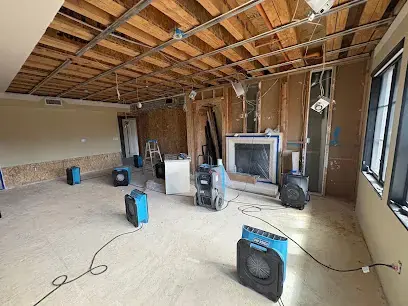
First steps for structural drying and dehumidification in Wellesley
- Classify the loss. The tech names the water category and drying class, then sets a dry goal from unaffected material.
- Place the equipment. LGR dehumidifiers and air movers are sized to the room, with panels or cavity openings where needed.
- Check every day. Temperature, humidity and moisture content are logged each visit, and equipment moves as the wet zone shrinks.
- Release at dry. Equipment comes out only when every monitored point meets the goal, and the final log goes to the claim.
How structural drying and dehumidification is handled in Wellesley
Structural drying is the longest stage of a water loss and the one that protects the building. Surfaces dry first and feel fine, while moisture stays locked in framing, plaster and subfloors, so the work is measured by readings, not by touch.
What does structural drying and dehumidification cost in Wellesley, MA?
One room in Class 1 or 2 runs $1,500 to $3,000, several rooms or Class 3 run $3,000 to $8,000, and Class 4 plaster, hardwood or masonry runs $8,000 to $14,000 because equipment stays longer.
One room, light saturation
- An LGR dehumidifier and air movers
- Daily moisture readings
- Short drying period
Several rooms or Class 3
- Wall and ceiling moisture removed
- Small openings for cavity drying
- Psychrometric logs
Class 4 saturation
- Plaster, hardwood or masonry
- Panels or desiccant drying
- Final readings for the claim
Ranges are typical, not a quote: the category of water, the square footage, the material class and how fast drying started move the number most. The water damage cost calculator gives a closer range.
The structural drying and dehumidification process, step by step
The tech who does the walkthrough maps moisture before any equipment goes down, so the drying plan matches what is actually wet. Equipment stays until the readings say dry.
Classify
Name the water category and drying class, then set the dry goal.
Set equipment
Place LGR dehumidifiers, air movers and panels to match the class.
Log daily
Record temperature, humidity and moisture content at every visit.
Release
Remove equipment when every monitored point reaches the goal.
How the IICRC classes set the plan
The S500 standard sorts losses into four classes by how much water the materials took in and how fast they release it. Class 1 is a small area with little absorbed water, Class 2 reaches carpet and wall bases across a larger area, Class 3 is water from above that soaks ceilings and walls, and Class 4 is deep saturation in plaster, hardwood or masonry.
- LGR dehumidifiers pull water vapor out of the air
- Air movers keep dry air moving across wet surfaces
- Floor drying panels draw water up through hardwood
- Small cavity openings let warm air reach framing
Why older Wellesley houses dry slowly
Many Wellesley homes were built before 1940, and older construction can hide moisture in plaster, thick framing and layered finishes. Add a humid continental climate that keeps the air moist and wet weather coming in every season, and the air itself holds back drying, which is why dehumidification matters more than fans.
Repeated floods and long drying
Flash flooding on August 8, 2023 and in other Wellesley storms leaves walls and subfloors wet long after the surface looks dry, and readings, not appearance, decide when equipment can leave.
Equipment placement changes as the loss dries. Air movers are repositioned to the stubborn spots, dehumidifiers are checked for output, and the log notes each change so the record explains every equipment day.
Wet ceilings and walls from a pipe break follow burst and leaking pipe cleanup, and the first removal of standing water falls under water extraction.
Structural Drying and Dehumidification across Wellesley and nearby towns
Structural drying covers the whole town, including Babson Park, Lower Falls, Wellesley Fells, Wellesley Farms, Wellesley Hills and Wellesley Square, with equipment sized to each room and logged on every visit.
The same service nearby: structural drying and dehumidification in Brookline, Needham, Dedham.
Related water damage services in Wellesley
Structural Drying and Dehumidification questions in Wellesley, MA
Structural Drying and Dehumidification in Wellesley, 24/7
Walls still damp after the water is gone? Describe the rooms and the drying team will outline the equipment plan.
(888) 629-3140 Ask about Wellesley structural dryingWhy does a dry-feeling wall still need equipment?
Surfaces dry first while moisture stays inside framing and plaster. A pinless meter and thermal camera find that hidden water, and the dehumidifiers stay until the readings match the dry goal.
What is an LGR dehumidifier?
A low grain refrigerant unit pulls much more water out of humid air than a household dehumidifier, which is why it is the core of professional drying and runs alongside air movers.
How loud and warm does the equipment get?
Air movers and dehumidifiers hum all day and add heat, and rooms feel warm and dry. That is normal, and the equipment is placed to keep cords and airflow clear of walkways.
Can hardwood floors be dried instead of replaced?
Often yes when drying starts early. Panels or a mat system pull water up through the boards, and readings on the wood and subfloor decide whether cupping settles or the boards need to be replaced.
Why does the equipment run for several days?
Water leaves dense materials like plaster, hardwood and masonry slowly, so equipment stays until every monitored point matches the goal, and the daily log records why each day was needed.
Surface dry is not structure dry
Get the loss classified, the equipment placed and the daily readings started so every material reaches its goal.
Call (888) 629-3140Set up Wellesley structural drying